The self proclaimed winter capital
Zakopane has called itself the winter capital of Poland for so long that the phrase has worn smooth from repetition, printed on postcards and painted on the sides of buses, yet it holds up under scrutiny. No other Polish town combines proper mountains, a skiing tradition stretching back more than a century, a purpose built ski jump of Olympic pedigree, and a settled winter sports culture in one compact valley. Warsaw and Krakow send their skiers here because there is simply nowhere else in the country that comes close, and generations of Poles learned to ski, or at least learned to fall over politely, on the slopes above this town.
The claim to the title is partly historical. Highlanders here were using skis for practical travel across snowbound passes before skiing existed as a leisure pursuit anywhere else in Poland, and the sport arrived formally in the late nineteenth century through contact with Norwegian visitors and Podhale's own restless engineers. That early start meant infrastructure, clubs and competitions grew here decades before other Polish regions had so much as a rope tow, and the head start has never really been closed.
What strikes a first time winter visitor is less the elevation, which by Alpine standards is modest, than the completeness of the picture. Within a short taxi ride you can find a family friendly nursery slope, a serious black run, a functioning ski jump hosting World Cup crowds, and a thermal pool steaming under falling snow. Few towns anywhere pack that range into so small a footprint, and it is this density, rather than any single superlative, that earns Zakopane its self given crown.
Fun factSkiing in the Tatras predates modern Polish statehood by decades; highlanders were crossing snowbound passes on skis while the sport was still a Scandinavian curiosity to most of Europe.
Local slopes versus the bigger areas
The ski terrain around Zakopane splits cleanly into two categories, and understanding the difference will save a disappointing afternoon. Scattered through the town and its immediate surroundings are dozens of small, privately run slopes, usually a single lift serving a short run of a few hundred metres, aimed squarely at beginners, children and families who want an easy, low pressure introduction to snow sports without the crowds or the commitment of a full resort. These little stations are everywhere, tucked behind guesthouses and farms, and they are perfectly pleasant for exactly what they are.
The larger, proper ski areas sit further out, mainly toward Bukowina Tatrzanska and the wider Podhale region, where longer runs, more varied terrain and modern lift systems cater to skiers who have outgrown the nursery slopes. These areas require more planning, usually a car or organised transport, and a full day's commitment, but reward it with genuine mileage on skis rather than a handful of short runs repeated all afternoon.
A sensible strategy for a short winter break is to treat the two categories as complementary rather than competing. Spend a morning or two on the local slopes getting your legs under you or watching children build confidence, then dedicate at least one full day to a proper trip further afield if skiing is the main purpose of your visit. Trying to do serious skiing entirely on the small local runs will frustrate anyone beyond beginner level, while ignoring them altogether wastes a genuinely useful and low stress resource sitting right on the town's doorstep.
Kasprowy Wierch, ski touring and sledging
Kasprowy Wierch is where Zakopane's winter sport ambitions become genuinely alpine. Reached by cable car from Kuznice, its slopes sit above the treeline in open, exposed terrain that demands real skiing ability, changeable weather awareness and respect for conditions that can shift from bright sunshine to whiteout within an hour. This is not a place for a first time skier to test their nerve; it is a place experienced skiers travel specifically to reach, and the reputation is earned by terrain that would not feel out of place in a proper alpine resort.
Ski touring, using skis fitted with climbing skins to ascend under your own power before descending off piste, has a serious following in the Tatras, and Kasprowy's surrounding ridges and bowls are part of that tradition. This is specialist activity requiring proper equipment, avalanche training and ideally local guiding, not something to improvise after watching an online video the night before. The national park's winter access rules, discussed further below, apply with particular force in this zone.
At the gentler end of the spectrum sits sledging, which needs no qualification whatsoever beyond a willingness to get cold and laugh at yourself. Several spots around town rent sledges by the hour, and the gentle slopes near Gubalowka in particular fill with families doing exactly this on any snowy weekend. It costs almost nothing in effort or skill and remains one of the purest, most universally enjoyable winter activities the region offers, equally satisfying for a seven year old and a sceptical adult who came along only to watch.
Fun factKasprowy Wierch's cable car was built in the 1930s and remains one of the oldest continuously operating high mountain cable cars in this part of Europe.
Wielka Krokiew and the culture of ski jumping
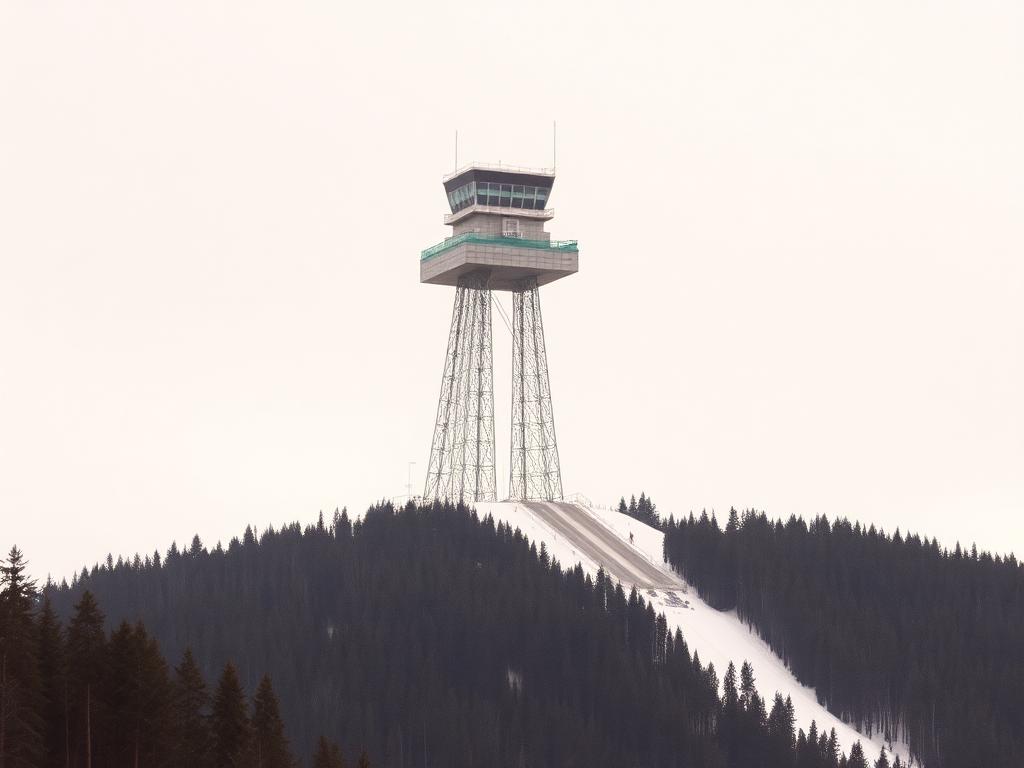
It is difficult to overstate how deeply ski jumping runs through Polish national feeling, and Wielka Krokiew, the large ski jumping hill standing above Zakopane, is the physical heart of that feeling. The hill has hosted major international competitions for decades, and on World Cup weekends the surrounding slopes fill with tens of thousands of spectators, a sea of red and white flags, thermos flasks and cowbells, all fixed on a single athlete perched at the top of an impossibly steep inrun.
The sport's grip on the Polish imagination intensified enormously during the years when Adam Malysz was winning at the highest level internationally. His success turned ski jumping from a niche winter curiosity into something closer to a national obsession, and the crowds that gathered at Wielka Krokiew during that period were reportedly among the largest ever assembled for the sport anywhere in the world. That surge in popularity never fully receded, and later generations of Polish jumpers have continued to draw enormous, devoted crowds to this same hill.
For a visitor with no particular interest in winter sport, watching a competition day unfold at Wielka Krokiew is still worth the effort, purely as a piece of living culture. The noise, the communal singing, the sheer scale of shared attention focused on a few seconds of flight, tells you more about a certain strand of Polish identity than most museums could manage. Outside competition days the hill itself, viewed from below or ridden up by chairlift in the warmer months, remains an striking piece of engineering worth seeing regardless of the season.
Thermal water as the counterpoint
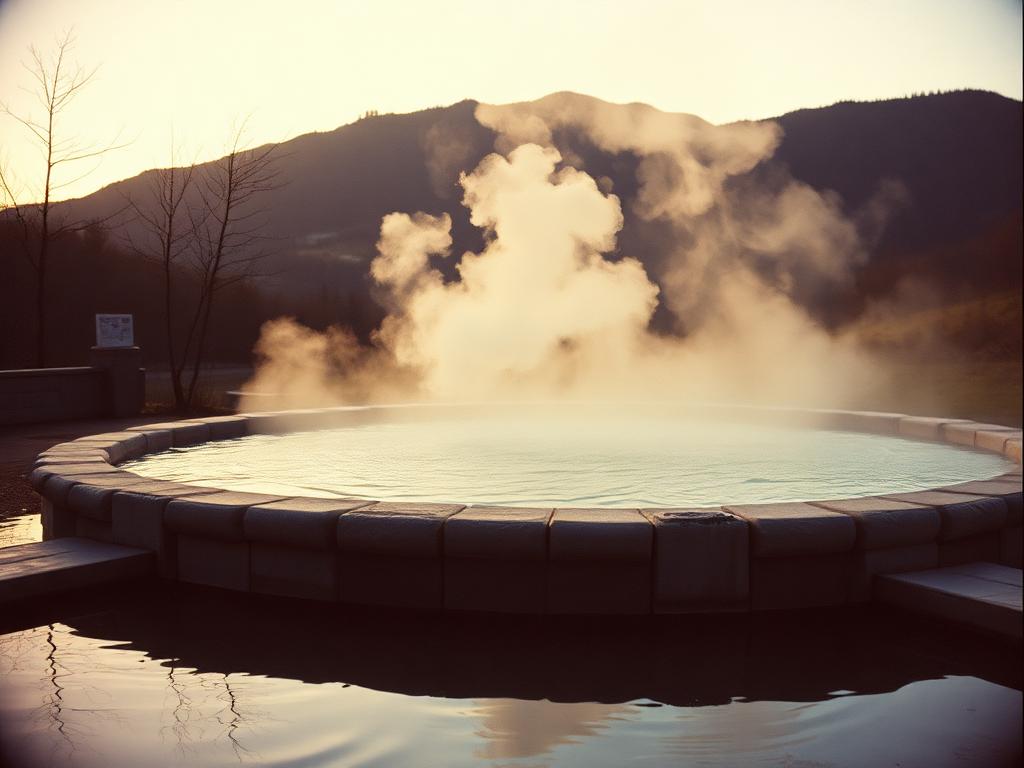
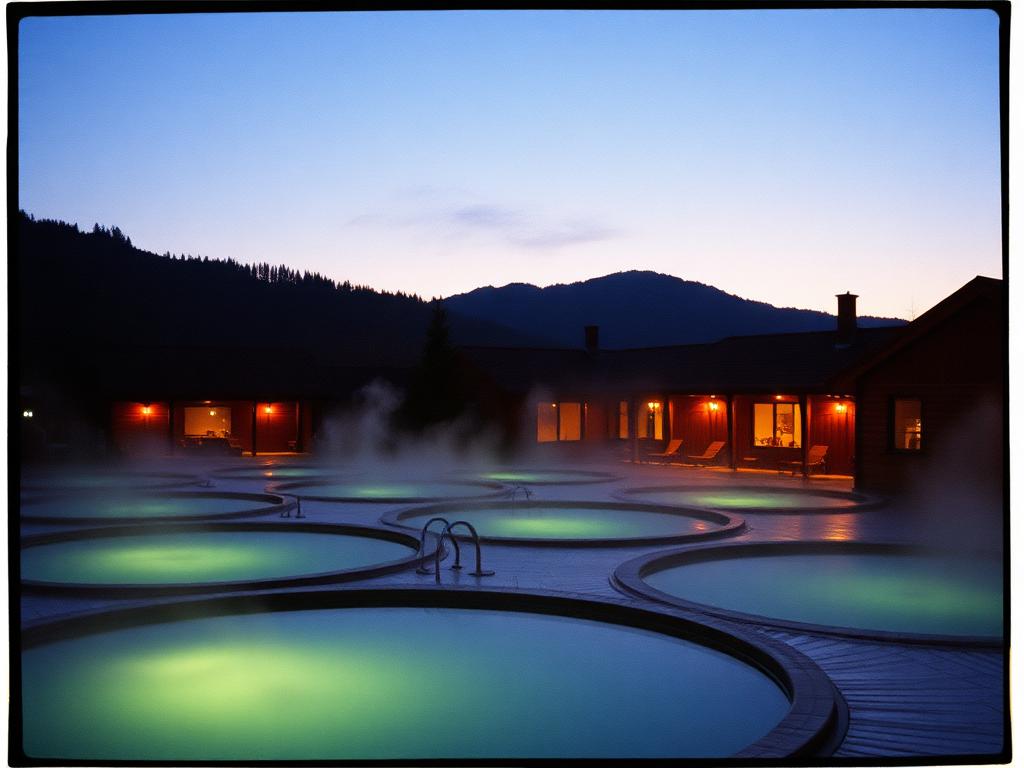
If ski jumping is the adrenaline half of a Zakopane winter, the thermal pools are unmistakably the other half, and the two sit together with a completeness that feels almost deliberate. After a day spent skiing, walking in snow or simply standing outdoors in a cold wind watching jumpers fly, few things restore a body faster than descending into water heated far above air temperature while snowflakes settle on your shoulders and hair. The complexes around Bukowina Tatrzanska and Chocholow, discussed elsewhere in this book, are built with exactly this contrast in mind.
There is a specific, almost theatrical pleasure in moving between an outdoor thermal pool and the cold winter air, feeling steam rise off the water's surface while your breath fogs above it. It is one of the region's genuine sensory signatures, unlike anything most visitors have experienced elsewhere, and it turns what might otherwise be an ordinary evening into a lasting memory of the trip.
Practically speaking, a thermal visit pairs naturally with the end of a ski day rather than the start of one, since muscles benefit more from heat after exertion than before it, and arriving already tired makes the eventual stillness of floating in warm water even more welcome. Booking ahead during peak winter weekends is sensible, since these complexes are popular with exactly the audience described throughout this chapter.
The town under snow
Zakopane in snow looks, frankly, like the picture on the postcard, and it is one of the few places where that comparison is not an exaggeration. The wooden architecture along Krupowki and the older side streets was designed with steep pitched roofs precisely to shed heavy snowfall, and under a fresh covering those roofs, the carved gables and the smoke rising from chimneys combine into something close to storybook. Locals will tell you, with a mixture of pride and mild exasperation, that the town simply looks better in winter than at any other time of year.
New Year in Zakopane draws its own particular crowd, and Krupowki on New Year's Eve becomes a genuinely packed, noisy, celebratory street, with stalls selling hot food and mulled drinks, fireworks over the mountains at midnight, and an atmosphere that feels distinctly Polish rather than generically festive. It is not a quiet option, and anyone hoping for solitude should plan to be elsewhere, but for those who want to see the town at its most animated, this is the week to visit.
Between the two extremes of a World Cup weekend and a quiet snowy Tuesday, the everyday winter rhythm of the town is gentler: shopkeepers clearing pavements before opening, smoke curling from wooden chalets, skiers trudging back from the slopes with boots slung over their shoulders. It is this ordinary version of winter, more than the headline events, that many repeat visitors say they come back for.
Fun factMany of the steep gabled roofs typical of Zakopane style architecture were designed specifically to shed heavy mountain snowfall rather than for decoration alone.
Ice, driving and walking with sense
Winter driving in and around Zakopane deserves more respect than it often gets from visitors used to milder climates. Roads climbing toward the mountains ice over quickly once temperatures drop, particularly in shaded stretches and on the approach roads to car parks like Kuznice, and a car without proper winter tyres is genuinely unsuited to the conditions rather than merely less comfortable. If you are hiring a vehicle for a winter visit, confirming that it is fitted with winter tyres is not an optional extra, it is basic safety.
Walking presents its own quieter hazard. Pavements in town are generally cleared reasonably well, but side streets, car park approaches and any path leading toward the mountains can turn to sheet ice with little warning, especially after a thaw and refreeze cycle. Proper footwear with real tread, rather than smooth soled boots bought for their looks, makes an enormous practical difference, and a pair of simple ice grips slipped over regular boots is a small investment that prevents a genuinely painful fall.
Pace yourself accordingly. Locals walk winter streets with a shorter, flatter stride than they would on dry pavement, and adopting that same cautious gait, especially on slopes and steps, is a habit worth picking up quickly rather than learning the hard way.
Avalanche awareness and respecting closures
The Tatra National Park issues avalanche risk ratings throughout winter, and these are not bureaucratic formalities to be waved past. Trails and slopes are closed when conditions genuinely warrant it, and the closures are enforced because avalanches in this range have caused fatalities, including among experienced mountaineers who underestimated a slope they thought they knew well. Ignoring a closed trail sign in winter is not a display of independence, it is a serious and unnecessary gamble with your life and with the lives of the mountain rescue teams who would have to come looking for you.
For anyone planning to go beyond marked, groomed pistes, whether on skis, snowshoes or on foot, checking the current avalanche bulletin before setting out is essential, as is carrying appropriate safety equipment if venturing into backcountry terrain, and ideally travelling with or hiring a qualified local guide who reads these mountains for a living. TOPR, the Tatra volunteer mountain rescue service, are extraordinarily skilled and dedicated, but their work is dangerous, and a well prepared visitor reduces the burden placed on them enormously.
The mountains do not distinguish between a careless local and a careless tourist, and treating posted warnings as suggestions rather than instructions has cost lives in this range before. A little humility toward conditions you cannot fully judge from the valley floor is the single most useful piece of winter safety advice this book can offer.
Fun factTOPR, the Tatra Volunteer Mountain Rescue, was founded in 1909 and remains one of the oldest mountain rescue organisations in Europe, staffed by highly trained volunteers and professionals.
Planning a realistic first winter visit
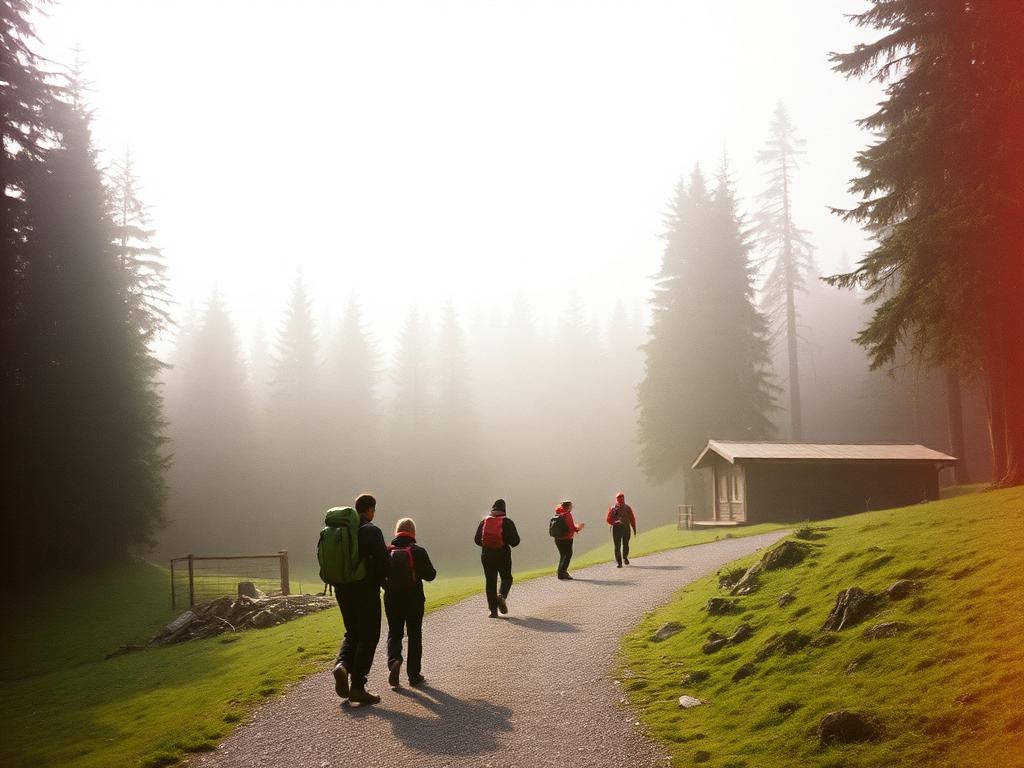
A first time winter visitor to Zakopane does best by choosing a small number of priorities rather than attempting everything the season offers. A sensible shape for a few days might include one morning on the local nursery slopes or sledging near Gubalowka, one full day devoted to a proper ski area further out if skiing matters to you, one evening at a thermal pool, and time simply walking the snowy streets and, weather permitting, riding up toward Kasprowy Wierch or Gubalowka for the view even without skis.
Pack for genuine cold rather than a mild European winter: proper insulated boots, layers that can be added or removed as effort and shelter change, a hat and gloves that actually work, and sunglasses, since bright sun on snow at altitude is more intense than most visitors expect. Bring less enthusiasm for spontaneity than you might in summer; winter here rewards a bit of checking ahead, whether that is an avalanche bulletin, a cable car's operating status in high wind, or simply whether a chosen trail is currently open.
Above all, come with patience for the weather itself. Mountain conditions here change quickly and a plan built around a single clear day can be undone by cloud or wind with little notice. Visitors who build in flexibility, and who treat a changed plan as part of the character of a mountain winter rather than a failure of the trip, tend to leave Zakopane in January or February with exactly the memories they came for.