The seasons, felt rather than measured
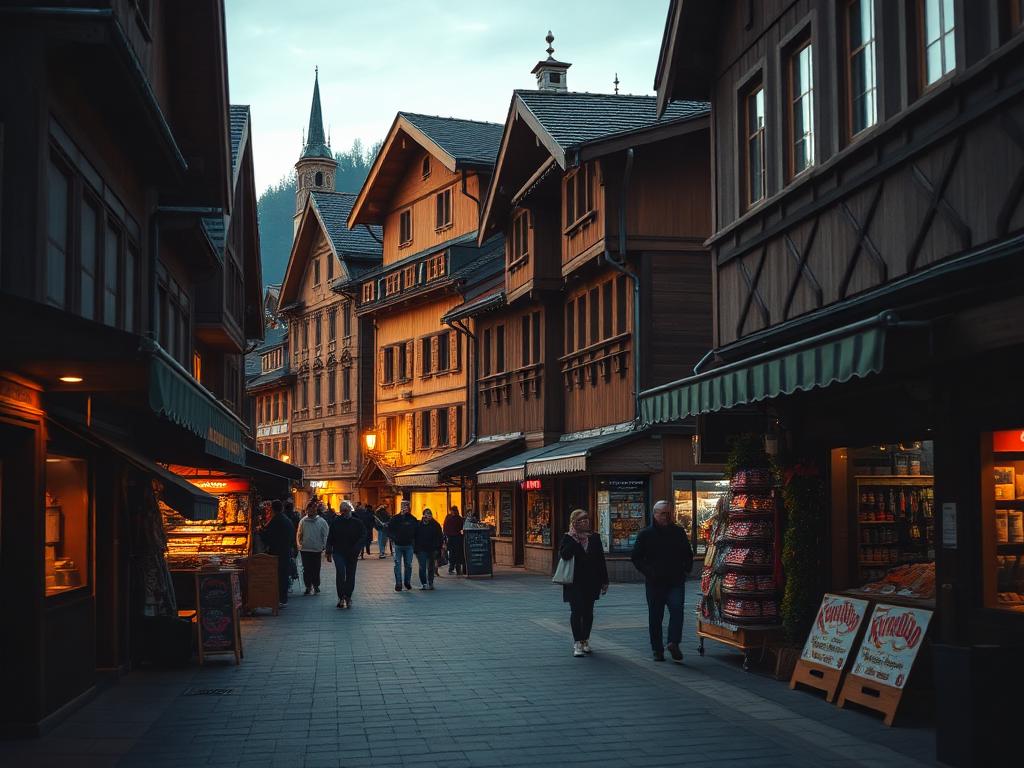
Winter here feels less like a date on a calendar and more like a settled mood that arrives once the first proper snow sticks and does not leave until it genuinely melts, which can be earlier or later than any brochure predicts. It is a season of wood smoke, steamed up cafe windows, boots left dripping by the door, and a town that seems to hunker down and glow at the same time. Days are short and the light turns a pale, flattering blue over the peaks in the late afternoon.
Spring in Podhale is often the least photographed and most underrated stretch of the year, a muddy, unpredictable transition when snow still clings to shaded slopes while lower meadows turn green and streams swell with meltwater. It can be genuinely cold one day and warm enough for a short sleeve the next, and trails higher up may remain snowbound long after the town itself feels like spring.
Summer brings the fullest crowds, the greenest valleys and the longest days, with light lingering well into evening and the mountains at their most accessible to walkers of all abilities. Autumn, by contrast, is treasured by many regular visitors as the quiet gem of the year, crisp mornings, golden larches turning colour against dark spruce, and a noticeably calmer Krupowki than the summer version of the same street.
None of these seasons behaves with total predictability, because mountain weather rarely does, and a visitor who arrives with a rigid mental image of what the season should look like will occasionally be surprised. Treat the calendar as a rough guide to mood and packing rather than a guarantee, and you will rarely be caught out.
Packing and layering for mountain weather
The single most useful packing principle for Zakopane in any season is layering, because temperature here can shift meaningfully between the valley floor and even a modest height gain, and between morning sun and afternoon cloud. A base layer that manages moisture, a mid layer for warmth, and an outer layer that blocks wind and rain will see you through almost anything the Tatras produce, and each layer can be added or shed as conditions change through the day.
The halny is worth understanding before you pack rather than after you meet it. It is a strong, warm, dry wind that funnels down from the mountains under particular pressure conditions, capable of arriving with real force and just as capable of unsettling moods, since locals half seriously and half genuinely blame it for headaches, irritability and disturbed sleep. If a halny warning is mentioned locally, take it as a cue to expect strong gusts, possible closures of cable cars or lifts, and a general sense of the town being slightly on edge until it passes.
Footwear deserves real attention regardless of season. Sturdy, broken in walking shoes or boots with proper grip matter even for visitors who plan no serious hiking, since cobbled streets, muddy trail edges and icy pavements all punish flimsy soles. A compact rain layer earns its space in any bag here, since mountain showers can appear from a clear sky with little warning, especially in summer afternoons.
Cash, cards and simple courtesies
Card payments are widely accepted across Zakopane's shops, restaurants and larger attractions, and most visitors can travel comfortably relying on a card for the bulk of their spending. Mountain huts are the notable exception worth planning around, since some smaller or more remote ones still prefer or require cash, and relying entirely on plastic partway up a trail can leave you unable to pay for the bowl of soup you were counting on. Carrying a reasonable amount of Polish zloty in cash is sensible practice whenever a hut visit is on the plan.
Markets, small stalls and some family run guesthouses also lean toward cash, partly from habit and partly from the practical difficulty of running card terminals in remote or informal settings. Having smaller denomination notes on hand makes these transactions smoother for everyone involved, since a stallholder selling oscypek by the piece rarely welcomes being handed a large note first thing in the morning.
Tipping in Poland follows a modest, unforced custom rather than a rigid formula; rounding up a bill or adding a small percentage in a restaurant is appreciated but not demanded, and nobody will chase you down the street for skipping it. Politeness matters more than money in most everyday interactions here: a greeting on entering a small shop, a thank you to a bus driver, a patient tone with someone whose English is limited, all go further toward a warm reception than any tip could.
A small phrasebook for the road
A handful of Polish phrases, used sincerely rather than perfectly, changes the tone of an interaction more than most visitors expect. Dzien dobry, pronounced roughly jen DOH-brih, means good day and works as an all purpose greeting from morning until early evening; using it on entering any shop, cafe or guesthouse is simply expected good manners here, not an optional flourish.
Dziekuje, said something like jen-KOO-yeh, means thank you, and proszę, pronounced PROH-sheh, does impressive double duty as please, you are welcome, and here you are, depending entirely on context, which makes it one of the most useful single words available to a visitor. Przepraszam, roughly psheh-PRAH-sham, covers both excuse me and sorry, essential for squeezing past someone on a narrow trail or a crowded pavement.
At the table, smacznego, pronounced smach-NEH-go, is said before eating much as one might say enjoy your meal, and offering it to fellow diners, even strangers at a shared hut table, is warmly received. Na zdrowie, nah ZDROH-vyeh, serves as both a toast, meaning something like to your health, and the phrase said after someone sneezes, so context tells you which is meant. Ile to kosztuje, EE-leh toh kosh-TOO-yeh, means how much does this cost, useful at any market stall.
The highlanders of Podhale have their own dialect, gwara, distinct enough from standard Polish that even other Poles sometimes struggle with it, and you may hear greetings like Scesc Boze, a traditional highland greeting invoking good fortune, used among locals or performers in folk dress. You are not expected to attempt gwara yourself, but recognising it as a living dialect rather than decoration adds real respect to how you experience folk performances and markets.
Addresses, signal and offline planning
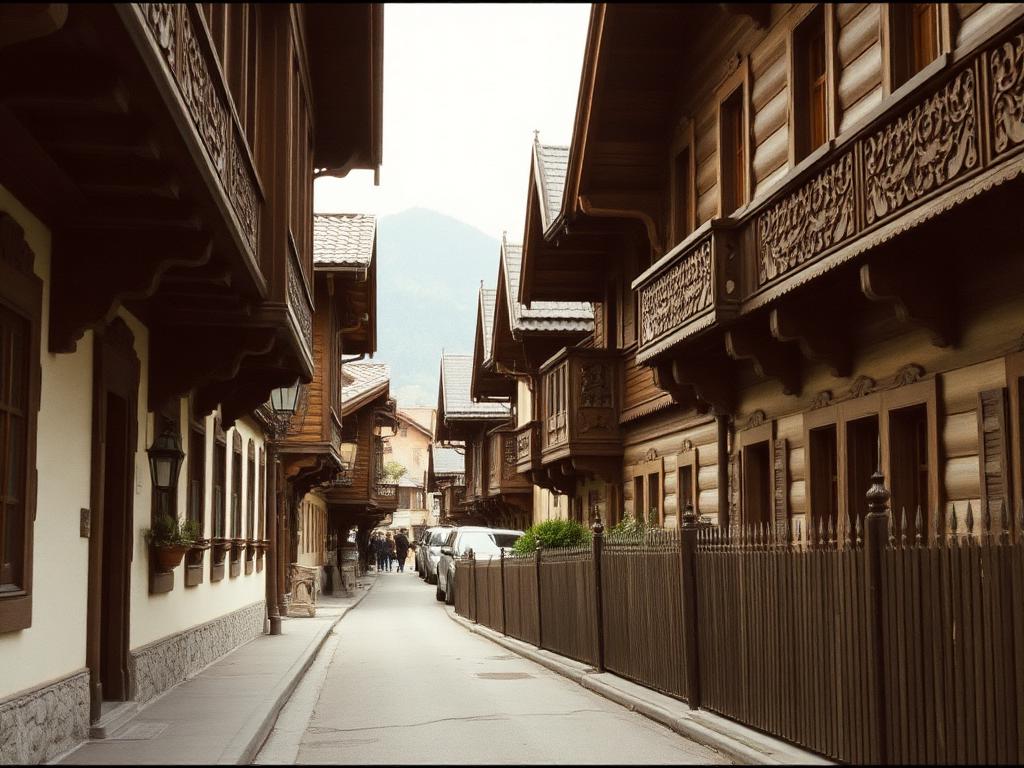
Zakopane's street layout can confuse visitors used to tidy grid cities, since the town grew organically along old highland paths and farm boundaries rather than a planned scheme, meaning streets curve, change character gradually and sometimes carry the same general direction under names that shift block by block. Building numbers do not always run in a simple ascending order either, so allowing extra time to locate a specific guesthouse or restaurant, especially on a first visit, is wise rather than pessimistic.
Mobile signal in the town centre is generally reliable, but it thins out quickly once you climb into the mountains, particularly in deeper valleys and behind ridgelines where terrain blocks the signal entirely. Treat any hike beyond the immediate town as an offline exercise: download maps in advance, note the general shape of your route and any escape paths, and do not assume you will be able to look something up once you are committed to a trail.
Offline planning extends to practical logistics too. Checking cable car operating status, trail closures or bus timetables before you leave your accommodation for the day is far more reliable than hoping to check mid journey, since coverage gaps and battery drain in cold weather both work against last minute lookups.
Altitude, pacing and travelling with children
The altitudes reached from Zakopane, even at the top of Kasprowy Wierch, are modest by the standards of true high mountain ranges, and altitude sickness in the serious sense is not a realistic concern here. That said, visitors arriving from sea level sometimes notice mild breathlessness or fatigue on steeper trails simply from unfamiliar exertion combined with thinner air at height, and pacing yourself, taking rest stops and drinking enough water all help more than most people expect.
Travelling with children in and around Zakopane is genuinely rewarding, since the town offers an unusual range of low effort, high reward activities: gentle funicular and cable car rides with big views, sledging slopes, thermal pools with shallower sections, and short, well marked walks that reach a satisfying destination like a waterfall or viewpoint without demanding a full day's hike. Choosing routes with a clear, describable goal keeps younger walkers motivated far better than an open ended ramble.
Families should also build in slack for weather and mood, since a mountain day with children rarely goes entirely to plan, and having a fallback indoor option, whether a museum, a cafe or an aqua park, saves a trip from being derailed by one unexpected downpour or one tired toddler.
Accessibility realities
It is honest to say plainly that Zakopane is not an easy town for visitors with limited mobility, and pretending otherwise would do a disservice to anyone planning around that need. Many older buildings, guesthouses and mountain huts were built long before accessibility standards existed, pavements in the older parts of town can be uneven or cobbled, and several of the most rewarding mountain trails involve steps, roots or steep sections that no amount of goodwill can smooth over.
That said, some genuinely accessible options do exist and are worth seeking out specifically. Cable cars and funiculars generally accommodate wheelchairs and limited mobility with assistance, some short paved paths near the town and around certain thermal complexes are level and manageable, and larger modern attractions built more recently tend to have made real accessibility efforts compared with older highland architecture.
Anyone travelling with a mobility limitation is well served by contacting accommodation and attractions directly in advance to confirm specifics rather than assuming, since conditions and facilities vary considerably between a modern hotel and a century old wooden guesthouse, and a short conversation beforehand prevents a disappointing arrival.
Buying something honest
Krupowki and the market under Gubalowka both sell an enormous quantity of souvenirs, and the honest truth is that a good portion of it is mass produced, imported and only loosely connected to Podhale's actual craft traditions. Learning to tell the difference takes only a little attention and rewards you with something worth keeping rather than a trinket destined for a drawer.
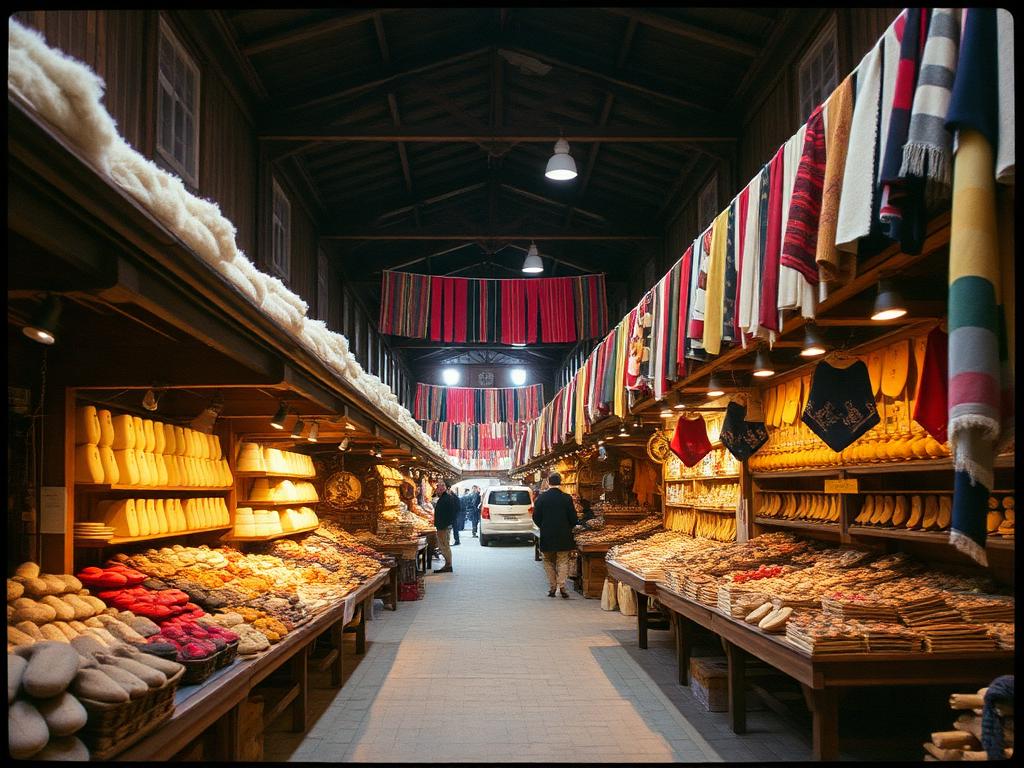
Genuine sheepskin and wool items, hand knitted sweaters, felted slippers and rugs, are still produced locally and regionally, and they tend to show small irregularities of handwork that machine made equivalents lack; a slightly uneven stitch or a natural variation in fleece colour is often a good sign rather than a flaw. Carved wood, whether small figures, walking sticks or larger decorative pieces, has a genuinely deep local tradition, and highland carvers producing this work by hand remain active, particularly around workshops and stalls that display the process rather than simply the finished product.
Oscypek, the smoked sheep's cheese, makes an excellent edible souvenir when bought from a stall that is clearly selling the genuine, regionally protected product rather than a generic smoked cheese shaped similarly. Asking a seller directly where and how something was made rarely causes offence here and often opens a genuinely interesting conversation, while also steering you gently away from the least authentic stock toward the pieces actually worth bringing home.
Fun factOscypek holds Protected Designation of Origin status within the European Union, meaning only cheese made in a defined highland region, by traditional methods, may legally carry the name.
Emergency numbers and travelling with respect
Two numbers are worth knowing before you need them rather than looking up in a moment of panic. 112 is the general emergency number across Poland and the wider European Union, connecting you to police, fire or medical services as needed, and operators can generally assist in English if required. 601 100 300 is the direct number for TOPR, the Tatra Volunteer Mountain Rescue, and it is the number to call specifically for a mountain emergency, an injury on a trail, someone missing, or conditions that have turned genuinely dangerous while you are on foot in the Tatras.
Saving both numbers into your phone before setting out on any mountain walk, and mentioning your planned route to someone at your accommodation, costs almost nothing and matters enormously if something does go wrong. Mountain rescue in this range is skilled, fast and freely given by dedicated volunteers and professionals, but it works far better when it can find you quickly, which is exactly what a known route and a working phone number make possible.
Beyond the numbers themselves, the deeper practical lesson of this whole book is a simple one: Zakopane and the Tatras reward visitors who arrive with a measure of humility rather than a checklist to conquer. Respect posted closures, greet people properly, buy from those who actually make what they sell, tread lightly on trails that took centuries of highland life to shape into what they are, and leave the mountains exactly as demanding and as beautiful as you found them. Travel here with that attitude and the region tends to give back generously in return, in views, in warmth from strangers, and in a kind of quiet that is increasingly rare to find anywhere else.