A cuisine built on scarcity
Podhale is not fertile country. The soil under Zakopane is thin and acidic, the growing season short, and for centuries the highlanders who settled these valleys had to make a living from land that would barely support a modest garden. What they had, in abundance, was grass on the upper slopes and stamina in their own bodies. So they turned to sheep, and around sheep an entire food culture grew, one built not on variety but on intensity: a handful of ingredients pushed as far as they could go, preserved as long as possible, and eaten with the frank hunger of people who worked outdoors in weather that did not care about their comfort.
This is worth remembering before your first meal in Zakopane, because it explains why the food tastes the way it does. It is salty, smoky, fatty and sour in roughly equal measure, built for calories and for keeping through a winter, not for delicacy. There is little sugar in the old recipes and less refinement. What there is instead is a kind of honesty: potatoes, cabbage, sheep's milk, rye flour, pork when it was available, and whatever grew wild in the forest. Modern Podhale cooking has softened some of these edges for visitors, but the bones of the old poverty cuisine are still there if you know to look for them.
The other thing to understand is that this food culture is regional in a very literal, legally protected sense. Several Podhale products, oscypek most famously, carry European Union protected designation of origin status, meaning they can only be produced in a defined area, by traditional methods, from milk of specific sheep breeds. This is not marketing. It is the same category of protection given to Parmigiano Reggiano or Champagne, and it exists because generations of shepherds fought to keep their methods from being diluted or copied cheaply elsewhere.
Oscypek: the cheese that became a symbol
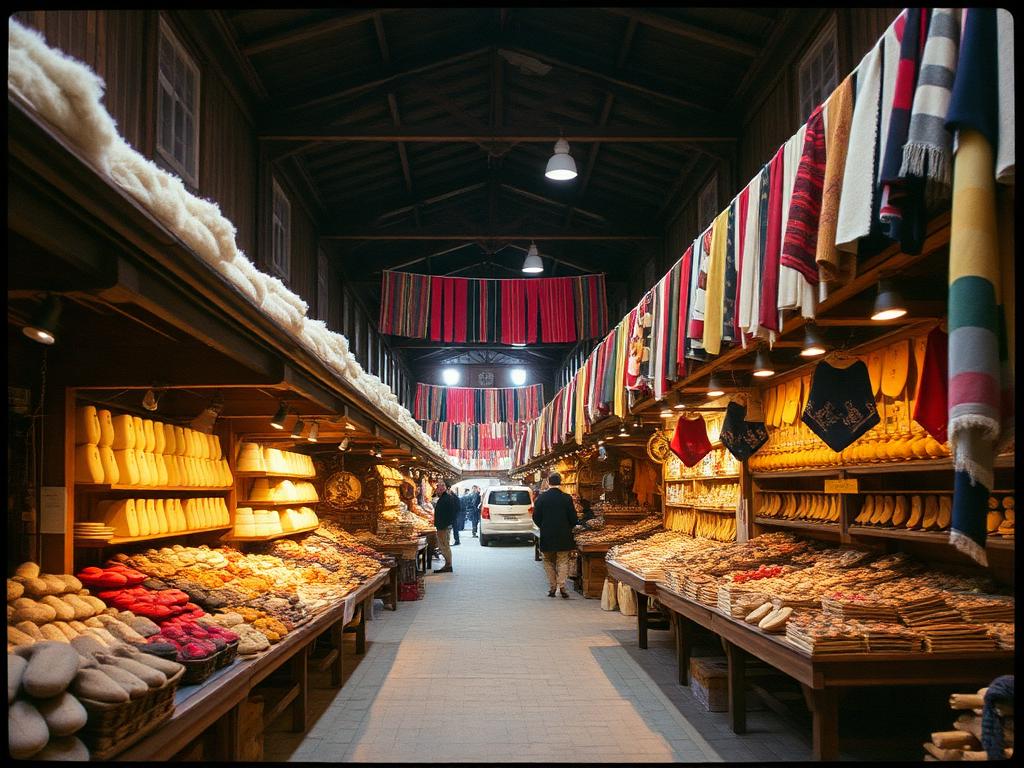
Oscypek is the cheese every visitor to Zakopane sees within minutes of arriving, hanging in golden spindle shaped strings from market stalls along Krupówki and at the base of Gubałówka. It is made from the milk of the Polish mountain sheep, sometimes blended with a small proportion of cow's milk, and its production still follows a calendar tied to the pasture season. Shepherds bring their flocks up to the mountain huts, called bacówki, in late spring, and cheese making continues through the summer months while the sheep graze the high meadows. This seasonal rhythm is not incidental to the cheese, it is the reason it tastes the way it does, because the milk changes character with what the animals eat.
The shaping is the part that fascinates most visitors. The curd is pressed by hand into carved wooden moulds called foremki, which leave the distinctive geometric ridged pattern along the cheese's sides, a pattern that historically also served to mark which shepherd or hut had made it. After moulding, the cheese is soaked in brine to firm the rind and add salt, and then it is hung over a wood fire and cold smoked for a period of days. That smoking is what gives real oscypek its deep amber colour, its faintly resinous aroma, and the firm, slightly rubbery bite that softens as it approaches the rind.
Telling genuine oscypek from the many imitations sold as generic smoked cheese is mostly a matter of reading the label and the shape. Authentic protected oscypek will say so, often with a stamp or certificate reference, and it will have that hand carved spindle shape with clear geometric relief, not a smooth machine pressed surface. Cheaper cow's milk imitations, sometimes called gazdowski or sold simply as smoked mountain cheese, are perfectly pleasant but are not the same product, and stallholders will usually tell you plainly which is which if you ask directly.
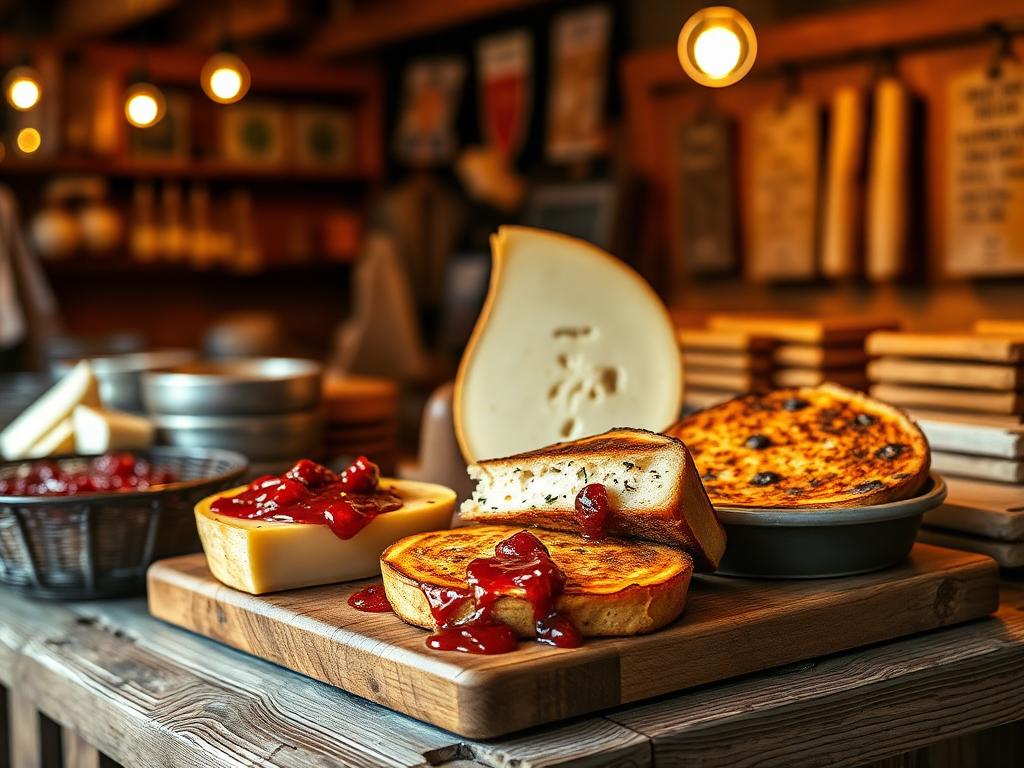
The single most popular way to eat oscypek in Zakopane today is grilled, sliced into a thick disc, placed on a small grill over coals until it softens and blisters slightly, and served on a wooden skewer or paper tray with a spoonful of tart cranberry sauce on top. The contrast of salty smoked cheese and sharp sweet fruit is genuinely one of the better simple street foods in Poland, and it is worth eating from a stall with a visible grill rather than one just selling it cold, since warming it changes the texture completely.
Bundz, bryndza and żentyca: the rest of the sheep's milk family
Oscypek gets the attention, but it is only one product of the pasture dairy tradition, and arguably not even the one most highlanders would call their favourite. Bundz is a fresh, unsalted, unsmoked sheep's cheese, soft and slightly grainy, made early in the cheese making process before it is pressed or smoked. It has a mild, milky, faintly sour taste and is traditionally eaten with boiled potatoes or spread on dark bread. If you find it on a menu it is worth trying precisely because it is the least commercialised of the sheep cheeses, rarely exported and rarely dressed up for tourists.
Bryndza is what happens when bundz is salted and left to mature and soften, sometimes blended with a little cow's milk cheese, producing a spreadable, tangy paste that is one of the great unsung condiments of Polish cooking. It appears folded into pierogi, spread thickly on bread with onion, or stirred into potato dishes. Bryndza podhalańska, like oscypek, has its own protected regional status, and a good bryndza should taste sharp, salty and slightly farmyard in the best sense, nothing like the bland cheese spreads sold generically elsewhere.
Żentyca is the whey left over after the curd has been separated out, a thin, slightly sour, warm milky drink that shepherds have drunk in the huts for centuries, partly for refreshment and partly because in a subsistence economy nothing edible was allowed to go to waste. It is an acquired taste for outsiders, faintly sour and unlike any commercial dairy drink, but it is worth trying once if you find yourself at a working bacówka, if only to taste something that has genuinely not been altered for tourism.
Kwaśnica and the great soups of the highlands
If oscypek is the symbol of Podhale food, kwaśnica is its daily bread, or perhaps its daily soul. It is a sauerkraut based soup, usually built on a smoked pork stock, sometimes with ribs or other cuts left in the bowl, its sourness coming from fermented cabbage rather than vinegar or cream. Good kwaśnica is deeply savoury, faintly smoky and pleasantly sour rather than sharp, and it is the dish most highlanders will tell you to order if you only have one meal in Zakopane. It appears on almost every karczma menu, and quality varies a great deal, so a soup that has clearly been simmered slowly with real smoked meat is worth seeking out over a thin, quickly made version.
Alongside kwaśnica sits a wider family of hearty, warming soups shaped by the same cold climate logic: żurek, the fermented rye soup found across Poland but often given a mountain treatment with sausage and hard boiled egg, and various potato and bean based soups that were, historically, closer to a full meal than a starter. In a region where winters are long and physical work outdoors was the norm, a thick, hot, fatty soup was not a courtesy before the main course, it was often the meal itself, and menus in Zakopane still reflect that generosity of portion.
Placki, pierogi and the starches that fill the table
Placki po zbójnicku, robber's style potato pancakes, are one of the more theatrical dishes you will meet in Zakopane, named for the outlaw zbójnicy of Podhale legend. They are large, crisp edged grated potato pancakes served under a thick goulash style stew of meat, usually pork or beef, with mushrooms and a rich, dark gravy, sometimes finished with melted cheese. It is not a subtle dish, and it is not meant to be, it is fuel dressed up as folklore, and it remains one of the most ordered items on any Zakopane menu for good reason.
Pierogi in Podhale follow the general Polish template, boiled dumplings of thin dough filled and often finished with a fry in butter, but the local character shows in the fillings. Alongside the everywhere potato and cheese or meat versions, you will find pierogi filled with bryndza, sometimes paired with potato in a mountain take on the classic ruskie filling, and occasionally with bundz for a milder, fresher taste. Blueberry pierogi, made with the wild bilberries that grow through the forest understorey in summer, are a genuine seasonal treat and worth ordering if a menu lists them, since the fruit is often foraged locally rather than farmed.
Bread and smoked meats round out the everyday table. Dark, dense rye breads are traditional here, often baked in wood fired ovens and served warm with butter or lard and cracklings, a combination that sounds heavy on paper and tastes, in cold mountain air after a day of walking, exactly right. Smoked sausages and cured pork, kiełbasa in its many regional forms, hang in the same market stalls as the cheese, and a plate of cold smoked meats with bread, mustard and pickles remains a completely respectable light meal in any highland inn.
The karczma as an institution, not just a restaurant
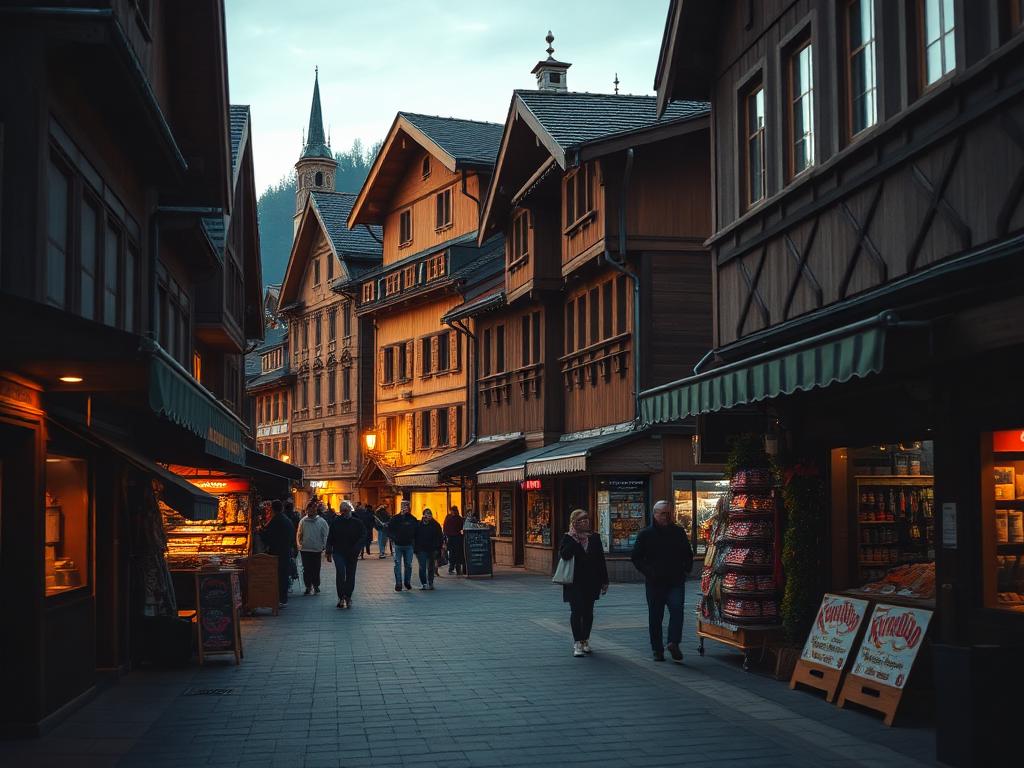
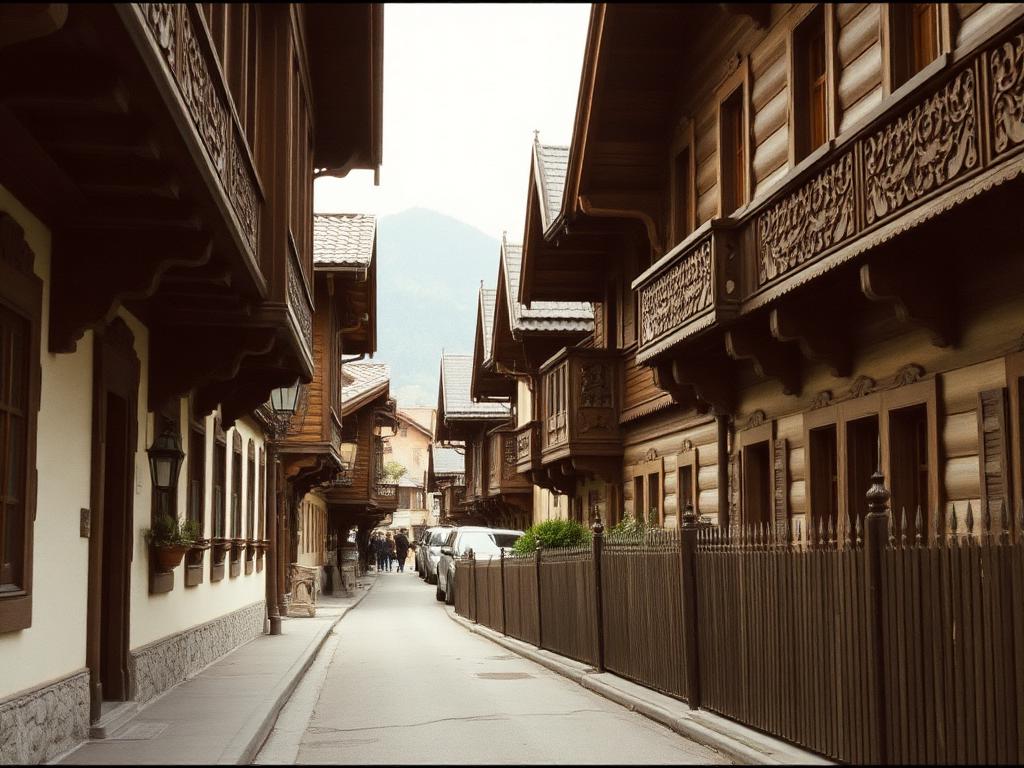
A karczma is more than a themed restaurant, even though the word is often translated simply as inn or tavern. Historically the karczma was a communal building where travellers, traders and locals met, ate, drank and exchanged news, often the only heated public space in a settlement through the winter. The wooden, low ceilinged, timber framed karczmy that fill Zakopane and the surrounding villages today are stylised descendants of that building, decorated with folk textiles, sheepskins and carved wood, but the underlying idea, a warm shared room where food and company are treated as one thing, is genuine and old.
Live highlander music is common in the larger karczmy in the evenings, with fiddle, double bass and the distinctive nasal singing style of Podhale folk song performed by groups in full traditional dress. This can tip into performance for tourists in the busiest venues on Krupówki, and a discerning traveller will notice the difference between a place that treats this as heritage and one that treats it as spectacle, but even the more commercial versions usually feature musicians who genuinely grew up in this tradition rather than actors playing a part.
What to drink: vodka, herbs and hot spiced wine
Highlander vodka culture centres on flavoured spirits rather than plain vodka drunk alone. Żubrówka, the bison grass flavoured vodka named for the tall grass that grows in the Białowieża forest far to the east, is well known nationally, but Podhale has its own herbal traditions, spirits infused with mountain herbs, juniper, gentian root and various forest botanicals that shepherds historically used as much for warmth and digestion as for pleasure. These herbal spirits, often homemade in the countryside and sold commercially under various names in Zakopane, tend to be bitter, aromatic and strong, meant to be drunk in small measured glasses rather than casually.
Grzaniec, mulled wine warmed with cinnamon, cloves and citrus, appears everywhere from small stalls along Krupówki in the cold months, sold in paper cups to be drunk while walking. It is not a highland invention specifically, mulled wine exists across much of Central Europe, but in a town this cold for this much of the year it has become a genuine local habit rather than a tourist novelty, and the smell of it drifting from stalls in the evening is one of the more evocative sensory details of a Zakopane winter.
Coffee, cake and a day of eating
Zakopane also has a gentler, sweeter side that has grown alongside its role as a resort town since the nineteenth century, when it became fashionable among Polish intellectuals and artists seeking mountain air. Small cafes serving good coffee and homemade cakes are common, particularly away from the main street, and a slower pastry culture sits comfortably alongside the smoked meat and cheese tradition. Apple cake, poppy seed cake and various yeasted sweet breads appear widely, and a coffee and cake stop in the early afternoon is a genuinely local habit, not purely a tourist import.
A realistic day of eating in Zakopane might begin with strong coffee and a simple pastry, move to a grilled oscypek with cranberry as a mid morning snack bought from a market stall, settle into a full sit down lunch of kwaśnica or placki po zbójnicku at a karczma after a morning walk, and finish with a lighter evening meal of bread, bryndza and cold cuts, perhaps with a small glass of an herbal spirit to close the day. This rhythm, heavy mid meal, lighter bookends, matches both the old working pattern of the highlands and the practical needs of a day spent walking in the mountains.
Vegetarians, and eating well away from the crowds
Traditional Podhale cuisine is heavily meat and animal fat oriented by history rather than by any indifference to other diets, and vegetarian visitors should know this honestly rather than be surprised by it later. That said, the dairy tradition works strongly in a vegetarian's favour: bundz, bryndza and grilled oscypek are all meat free, pierogi with cheese, potato, mushroom or blueberry fillings are widely available, and placki ziemniaczane, the plain potato pancakes without the meat stew, can usually be ordered on request even where they are not printed that way on the menu. Most karczmy in Zakopane are used to the request and happy to accommodate it, though it is worth asking directly rather than assuming, since stock and gravy in soups are very often meat based even when the soup looks vegetable forward.
As for where to eat, Krupówki itself is convenient and far from bad, but its density of visitors means some kitchens there cook for volume rather than care. Wandering a few streets back, or eating at a karczma slightly outside the immediate centre, or timing a meal for a market stall with a visible queue of locals rather than only tour groups, tends to reward you with better food for a gentler price. The stallholders and cooks of Podhale take real pride in this cuisine, and the best way to meet that pride is simply to ask a few genuine questions about what you are eating, which almost always opens a conversation rather than closing one.
Fun factOscypek's wooden spindle shape traditionally allowed shepherds to identify whose hut had made a particular cheese, since each carved mould left a slightly different pattern along the rind.